Light commercial work we take on
Light commercial means the systems that keep storefronts, restaurants, shops and small offices comfortable: equipment that looks a lot like home HVAC, only bigger and working longer hours. The main types:
- Package unitsRooftop and slab-mounted package AC and heat pump units, with everything in one cabinet.
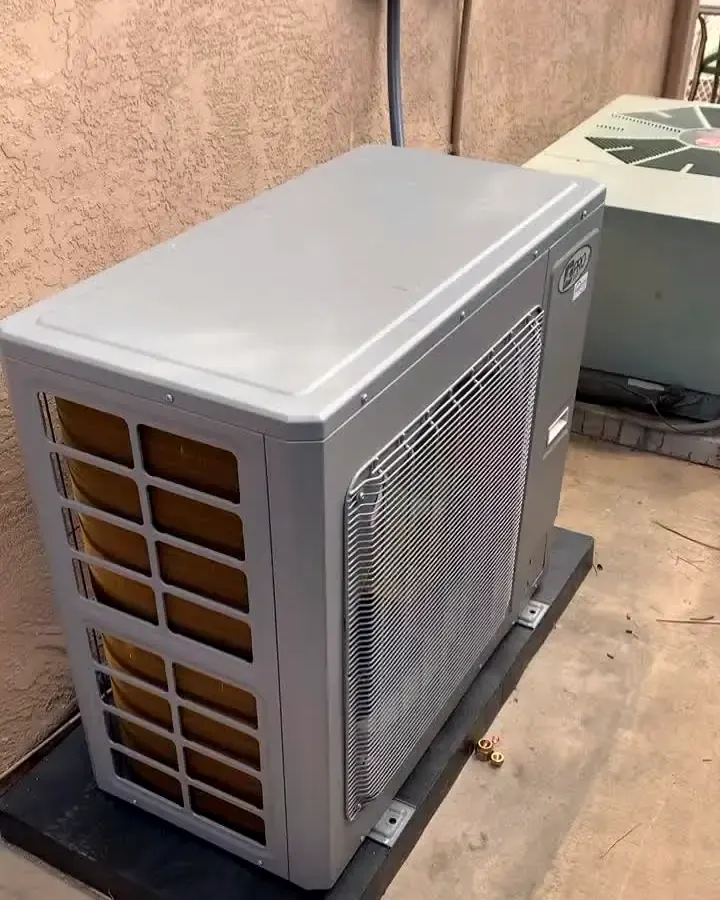
- Split and ductless systemsSplit systems for small offices, and ductless units for back rooms, server closets and spaces the main system does not reach.
- Controls and thermostatsProgrammable and Wi-Fi controls so the system runs only when you are open.
Package unit or split system?
Many small commercial buildings use package units, because everything sits in one cabinet on the roof or a slab and the space inside stays free for the business. Split systems, with an outdoor condenser and an indoor air handler or furnace, are common in small offices and in storefronts that started life as houses. Replacing like for like is usually the simplest path, but a change can make sense when the roof, the curb or the layout of the space has changed. For a single room that runs hot, a ductless unit is often the easiest add.
Signs your commercial unit needs attention
- The space never cools on busy afternoons, even with the thermostat set low.
- Water drips from ceiling tiles or stains them, which usually means a clogged condensate pan or drain.
- The unit runs nonstop or turns on and off every few minutes.
- Your utility bill jumps with no change in your hours.
- New noises or smells from the vents or the roof, like squealing belts or a burning smell.
Planning a replacement around your business
The hardest part of a commercial replacement is usually not the equipment. It is doing the work while keeping the disruption to your business small. A good plan covers:
- A site visit to check the existing unit, its size and nameplate, roof access, the curb it sits on and the electrical supply.
- Equipment that fits. The right size and type, and an adapter curb if the new unit's footprint differs from the old one.
- Access planning for rooftop units, including how the old unit comes off and the new one goes up.
- Permits and code. A commercial replacement needs a permit, and the new equipment and its controls have to meet California's Title 24 energy code for nonresidential buildings.
- Scheduling the swap for a time that keeps the disruption to your customers and staff as small as possible.
Why restaurants and shops are hard on HVAC
Commercial spaces ask a lot more of an HVAC system than a home does. The front door opens hundreds of times a day. Kitchens add heat and grease that coats coils. Display freezers and refrigeration cases release heat into the room, which matters a lot in places like ice cream shops and markets. Crowds add heat and humidity. All of that means commercial units run longer hours, clog filters faster and need attention more often than a home system.
Keeping commercial units running
Most commercial breakdowns trace back to skipped maintenance. A regular service schedule usually includes:
- Filter changes, often monthly to quarterly depending on the business.
- Belt, motor and bearing checks on units that use them.
- Coil cleaning, especially near kitchens and on the coast.
- Clearing condensate pans and drains before they overflow into the ceiling.
- Checking refrigerant pressures, electrical connections and controls.
Ask us about setting up a maintenance schedule for your building.
Controls that match your hours
A unit that cools an empty shop all night is wasting money and wearing itself out. A programmable or Wi-Fi thermostat set to your real opening hours, with a lock or a limited setting range so the temperature does not get cranked down, is one of the cheapest upgrades a small business can make. SDG&E business rates also vary by time of day, so running the system smartly matters as much as the equipment.
Light commercial HVAC from Chula Vista to La Jolla
We work with businesses in Chula Vista and the areas we serve. Near the coast, salt air makes coil care even more important. See our pages for Chula Vista (including Eastlake, Otay Ranch and Rolling Hills Ranch), Poway, Del Mar and La Jolla.